
In extreme cold conditions, choosing the right puffer jacket can significantly impact your comfort and safety. Factors such as insulation quality, outer shell durability, and feature adjustments are essential to guarantee maximum warmth and protection from wind and moisture. With advancements in materials and design in 2026, selecting a jacket suited to your specific needs requires careful consideration. Understanding these options can help you stay warm and resilient amidst harsh weather, but knowing which models excel in extreme cold is key.
ROYAL MATRIX Womens Packable Puffer Jacket
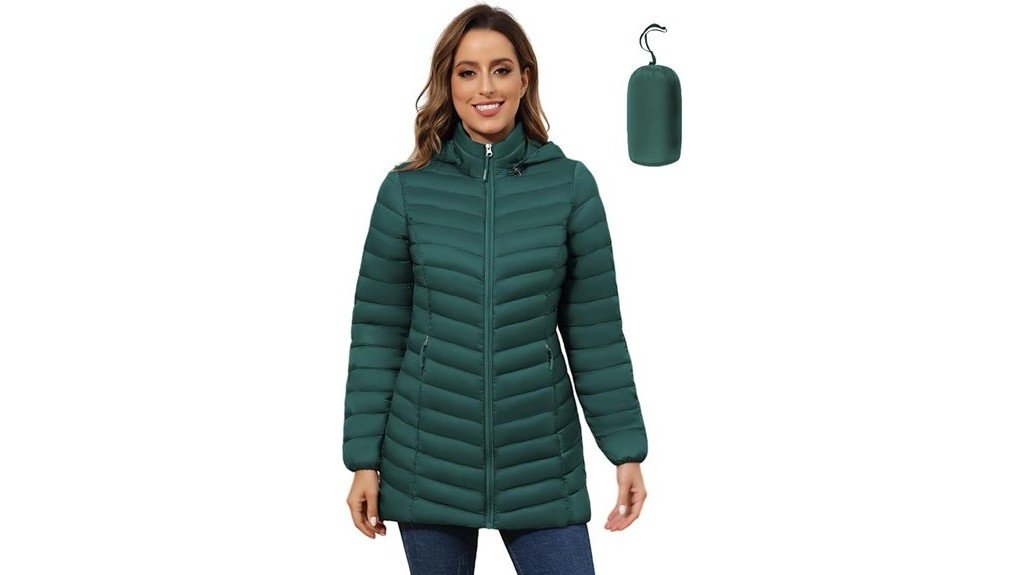
The ROYAL MATRIX Womens Packable Puffer Jacket is a great choice if you want a jacket that is light and easy to carry. It’s perfect for mild cold weather, like during fall or early spring. The jacket is slim fit, so it fits nicely without feeling tight. You can fold it into a small bag so it’s easy to take with you on trips or outings.
This jacket has a hood, but it might blow off if the wind is strong. It has deep pockets that keep your hands warm and give you space for little things. The material is water-resistant, so it helps keep you dry if it’s misty or drizzly outside. It’s good for casual wear, indoor use, or travel. But it’s not made for really cold winter weather.
Best for: People who want a light, portable, and stylish jacket for mild weather. It’s great for travel, everyday outings, and layering with other clothes.
Pros:
- Very light and easy to pack into a small bag.
- Comfortable and soft. It keeps you warm in moderate cold.
- Water-resistant fabric keeps you dry in light rain or mist.
Cons:
- The hood can blow off in strong wind and doesn’t have a way to tighten it.
- It doesn’t have a two-way zipper or adjustable waist.
- It’s not good for very cold, winter days.
This jacket is perfect if you want something small, light, and easy to carry. It keeps you warm enough for mild weather and is simple to pack. Just remember, it’s not made for freezing cold days.
Long Puffer Jacket for Women
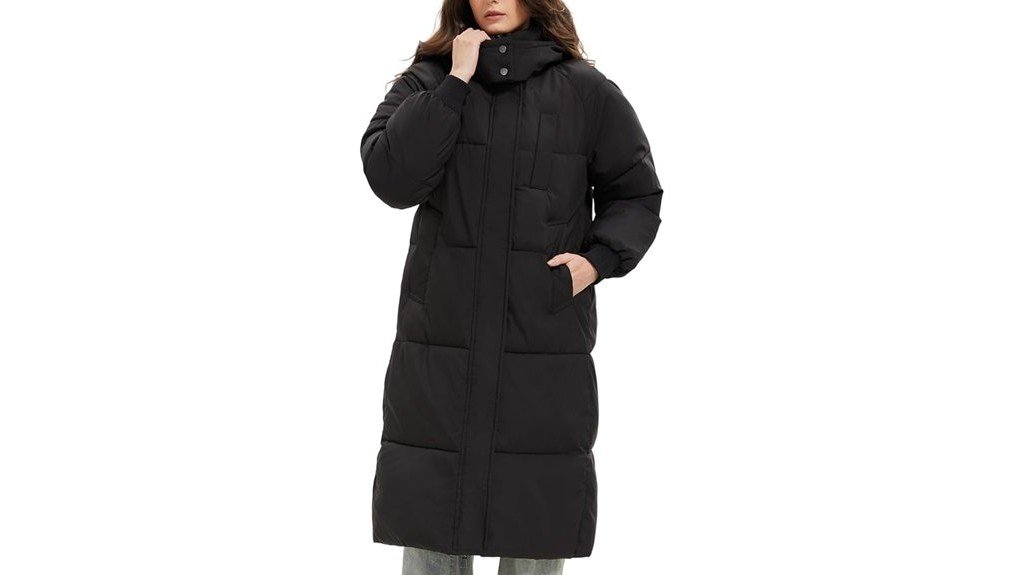
Long puffer jackets for women are great for staying warm in really cold weather. They usually reach just below the knees, covering your legs and keeping you cozy. These jackets fit most body types, and if you pick the right size, the sleeves will match your arm length. Taller people or those who move around a lot might find the sleeves a bit short, so sizing down could help. Many women like how roomy these jackets are, making it easy to wear sweaters underneath. The material is lightweight but blocks wind and weather well. Still, some jackets might feel a little thin or get wet in rain or snow.
Best For: Women who want a warm, full-length winter coat with lots of coverage for cold days.
Pros:
- Keeps you warm in very cold weather.
- Fits comfortably and offers many size options.
- Has useful features like deep pockets, a big hood, and weather-proof fabric.
Cons:
- Sleeves can be too short for taller women or those who move quickly.
- Some jackets feel light or thin and might not handle rain or snow perfectly.
- A few women notice an initial chemical smell or small issues with zippers.
These jackets are a good choice for anyone who wants full coverage and warmth. Just choose the right size for your body, and you’ll stay warm and comfortable all winter long.
Columbia Mens Powder Lite Ii Jacket
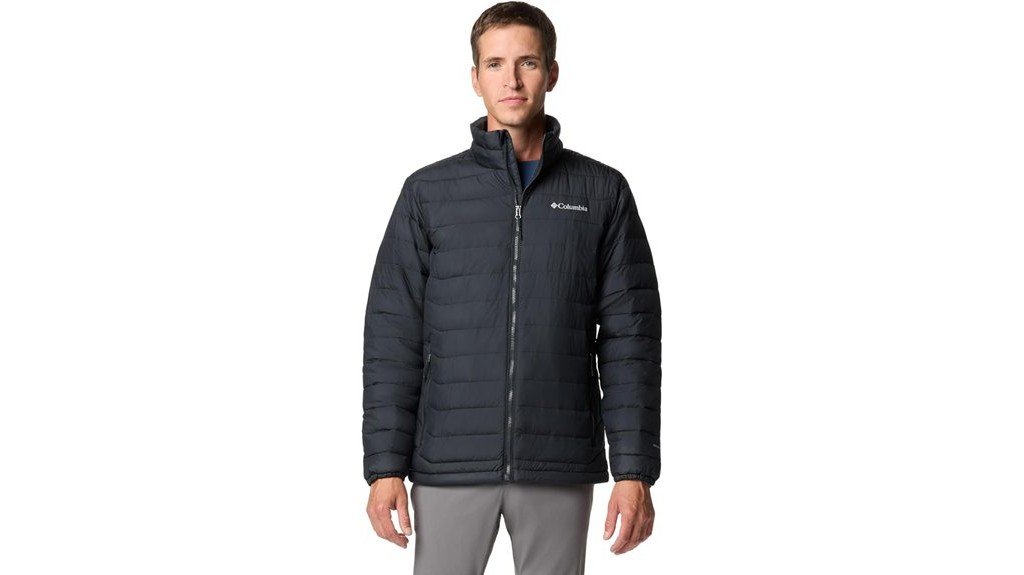
The Columbia Men’s Powder Lite II Jacket is a good choice for cold weather. It keeps you warm without feeling heavy. The jacket has a fabric that repels rain and stains. Inside, it has a lining that reflects heat to stay warm longer. The synthetic insulation is made from recycled materials. It provides good warmth without adding bulk. This makes it great for fall and winter.
The jacket fits active people well. It is easy to layer over other clothes. It comes in many sizes, including tall and extended sizes. The jacket is sturdy and built to last. It keeps its insulating power over the years. It also works well in windy or snowy weather.
This jacket is best for people who want a lightweight, warm jacket for outdoor activities. It’s a good choice for people who need an easy-to-wear winter coat.
Pros:
- Warm insulation from recycled synthetic materials.
- Rain- and stain-resistant outer fabric.
- Reflects heat with a thermal lining.
- Durable and holds up over time.
- Fits well for moving and layering.
Cons:
- The collar may feel stiff and cause some discomfort.
- Size and fit can be slightly different depending on the size.
- Not ideal for very cold weather without extra layers; mainly good for fall and milder winter days.
Factors to Consider When Choosing Puffer Jackets for Extreme Cold
When choosing a puffer jacket for extreme cold, you should carefully consider the insulation quality to guarantee adequate warmth without excessive bulk. Weather resistance is also critical to protect against wind and moisture, maintaining dryness and insulation effectiveness. Additionally, evaluating the fit, length, and layering options helps optimize comfort and mobility in harsh conditions.
Insulation Quality
The warmth of a puffer jacket depends a lot on its insulation quality. Insulation is what keeps the heat inside and cold out. The type of insulation matters, like synthetic fibers or natural down. Down insulation is light and packs well, especially when it has a high fill power rating, like 700 or more. This kind of insulation offers more warmth without making the jacket heavy or bulky.
Synthetic insulation is a good choice if you often get your jacket wet. Unlike down, synthetic fibers stay warm even when damp. The thickness and how tightly packed the insulation is also impact how warm the jacket will be. Thicker and denser insulation traps more heat and keeps you warmer.
If you are going to be outside in very cold weather for a long time, pick a jacket with heavier and thicker insulation. This will give you the best warmth. Choosing the right insulation for your environment makes sure you stay warm without carrying unnecessary weight.
Weather Resistance
Weather resistance is very important when choosing a puffer jacket for cold weather. A good jacket should have water-resistant or waterproof materials. These help keep you dry when it snows, rains, or when it’s moist outside. Insulation, like synthetic down or polyester filling, helps keep you warm even if the jacket gets wet. Sealed or taped seams are helpful too. They block water from sneaking in through the stitches. Adjustable hoods, cuffs, and hemlines also protect you from wind and cold air. They help keep out moisture and drafts. For strong durability, pick a jacket with a tough outer shell, like nylon or polyester, that has a water-repellent coating. This makes the jacket last longer in harsh cold weather. Good weather resistance keeps you dry, warm, and safe outside.
Fit and Comfort
Have you ever thought about how a puffer jacket fits you? The right fit can make a big difference in how warm and comfortable you feel in cold weather. A good jacket should give you enough room to wear layers underneath. It should also let you move freely, especially in your arms and shoulders.
Your sleeves should be long enough to cover your wrists when you stretch your arms. This keeps cold air out and helps you stay warm. The length of the jacket matters too. A longer jacket that covers your hips or thighs helps keep more heat inside.
Comfort also depends on the jacket’s shape and design. It should fit your body well without feeling tight or pinching. Features like adjustable cuffs, drawstrings, and customizable straps can make your jacket fit better and hold in more heat.
When your jacket fits right, it keeps you warmer. It also allows you to move easily. A good fit helps you stay comfortable and warm, even in very cold weather.
Length and Coverage
Choosing the right length for a puffer jacket is important when it’s very cold outside. Longer jackets that go below the hips or down to the knees give better coverage. They help keep your lower body warm by trapping more heat. When the jacket is longer, it covers more skin and blocks cold wind, snow, and rain. This makes you less likely to get frostbite or feel very cold.
Shorter puffer jackets leave parts of your hips or thighs open. Cold air and moisture can slip inside, making you feel colder overall. For the best warmth, pick a jacket that is long enough to cover your body well. Also, look for features like high collars and hoods. These add extra protection against the cold.
In short, longer jackets warm you better because they cover more areas and block the cold better. Choose a jacket length that fits the outdoor weather.
Layering Compatibility
Do you know how well a puffer jacket fits when you want to wear extra clothes inside? A good jacket should have enough space to layer on sweaters or thermal shirts. This makes sure you stay warm without feeling cramped. Look for jackets that have adjustable parts, like cuffs or drawstrings inside. These help you make the jacket fit just right and stop cold air from sneaking in.
Jackets that are slim or medium size usually work better for layering than very tight or very bulky coats. They leave more room for your clothes underneath. Also, choose jackets made from breathable, moisture-wicking materials. These keep you comfortable as you add warmer, sweat-producing layers.
Long jackets with high collars give more coverage and keep heat inside. They help you stay warm in cold weather. Overall, pick a jacket that fits well, has adjustable features, and enough space for extra layers. This will help you stay warm and comfortable no matter how cold it gets.
Durability and Materials
Durability is very important when choosing a puffer jacket for cold weather. These jackets need to stand up to tough environments and regular use. Jackets made from strong materials like nylon or synthetic fabrics work best because they don’t tear or scratch easily. The insulation inside the jacket, whether synthetic or down, also affects how long the jacket lasts and how well it keeps its shape. Strong stitching and tough zippers add extra strength, especially in bad weather. Getting a jacket with a waterproof or water-resistant coating helps it stay dry and keeps the insulation dry too. This makes the jacket last longer and stay warm. Taking care of your jacket with gentle washing and proper storage can also make it last a long time and stay effective in cold weather.
Ease of Packing
Packing a puffer jacket can be easy and helpful. When a jacket is packable, you can fold it into a small size. This makes it simple to carry and store. Packable jackets are made with lightweight insulation and soft materials that squish down easily. They often come with special bags or pouches to help you pack them quickly. This way, you save space in your luggage or backpack. It also makes it easy to take the jacket with you during outdoor trips or daily errands. Choosing a packable puffer jacket means you stay warm without carrying a heavy or bulky coat. It’s a useful choice for cold weather and travel.
Frequently Asked Questions
How Do Puffer Jackets Perform in Wet Winter Conditions?
Puffer jackets struggle in wet conditions unless they’re waterproof or water-resistant. You should opt for those with durable coatings or layered water barriers to stay dry, warm, and comfortable during damp, winter adventures.
Are Synthetic or Down Fillings Better for Extreme Cold?
Synthetic fillings are better for extreme cold if you face wet conditions, since they insulate even when wet. Down offers superior warmth in dry, cold weather but loses its insulating power when damp. Choose based on your environment.
Can Puffer Jackets Be Layered With Other Winter Gear?
Yes, you can layer puffer jackets with other winter gear. Add thermal base layers or fleece underneath, and consider waterproof shells or insulated scarves on top, ensuring you stay warm without sacrificing mobility or comfort.
How Long Do the Insulation Materials Typically Last?
Insulation materials usually last about 3 to 5 years with regular use, but their longevity depends on care, storage, and activity level. To maintain warmth, you should replace or inspect your jacket regularly for signs of wear.
What Maintenance Is Needed to Extend Jacket Lifespan?
You should regularly clean your puffer jacket, follow care instructions, and store it properly in a dry, cool place. Repair any tears promptly, and avoid excessive washing to maintain insulation and extend its lifespan effectively.