
Choosing the right face sunscreen can feel like a never-ending battle. You want protection without the greasy feel, white cast, or harsh chemicals. Native face sunscreen has been making waves in the clean beauty world since its launch. This mineral-based formula promises broad-spectrum protection with ingredients you can trust.
In this detailed review, we dive deep into everything you need to know about Native face sunscreen in 2026. From its ingredient list to performance under makeup, we cover real experiences and honest feedback. You will discover whether this affordable option truly delivers on its promises or falls short of expectations.
Key Takeaways
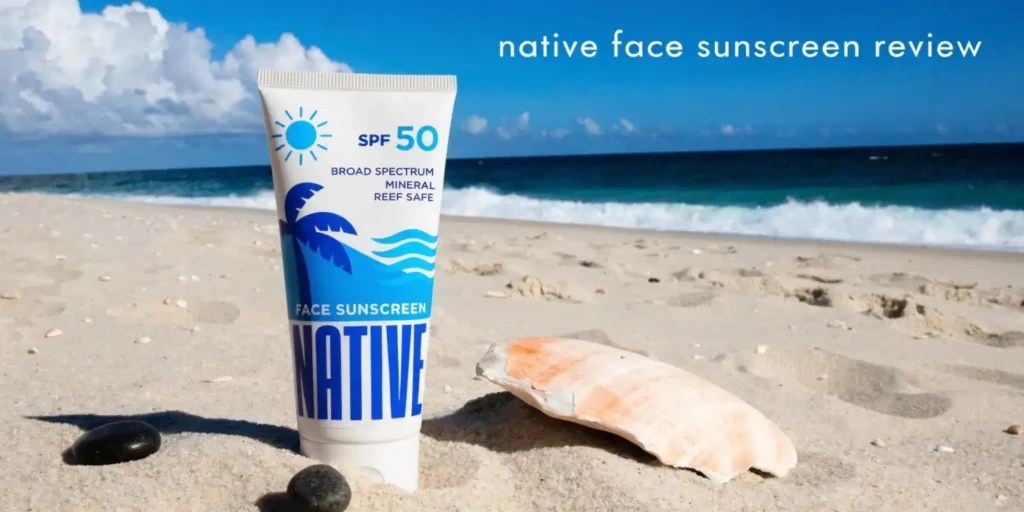
Protection and Formula: Native face sunscreen uses 20% non-nano zinc oxide as its active ingredient, providing broad-spectrum SPF 30 protection without oxybenzone, octinoxate, or avobenzone. The mineral-based formula is dermatologist-tested and suitable for sensitive skin types.
Application and Texture: The lightweight lotion absorbs quickly with minimal white cast on most skin tones. Some users find it works best when layered over a moisturizer or mixed with a few drops of face oil for even application. The formula feels light and non-greasy compared to traditional sunscreens.
Clean Beauty Certified: This sunscreen is Hawaii-compliant and reef-safe, making it an environmentally conscious choice. The simple ingredient list excludes parabens, phthalates, and synthetic fragrances in the unscented version.
Price Point: At approximately $15 to $20 for 1.7 oz, Native offers competitive pricing for a clean mineral sunscreen. The affordable price makes it accessible for daily use without breaking the budget.
Best For: Normal to oily skin types, those seeking clean beauty options, daily wear under makeup, and anyone wanting a lightweight mineral sunscreen. It may require additional moisture for very dry skin types.
Understanding Native Face Sunscreen and Its Clean Formula
Native face sunscreen stands out in the crowded sunscreen market. The brand built its reputation on clean deodorants before expanding into sun protection. Their face sunscreen maintains the same commitment to simple, effective ingredients. The formula centers on mineral protection rather than chemical filters.
The active ingredient is zinc oxide at 20 percent concentration. This mineral sits on your skin surface and reflects UV rays instead of absorbing them. Zinc oxide protects against both UVA and UVB rays, making it a true broad-spectrum sunscreen. The mineral approach means less irritation for sensitive skin types.
Beyond zinc oxide, Native keeps the ingredient list short. You will find nourishing additions like vitamin E, which provides antioxidant benefits. The formula includes plant-based oils that help with application. Coconut alkanes give the sunscreen its smooth texture. The brand avoids controversial ingredients like oxybenzone and octinoxate, which some studies link to hormone disruption.
The unscented version truly has no fragrance, making it perfect for those sensitive to scents. The coconut pineapple option offers a tropical aroma for those who enjoy scented products. Both versions deliver the same sun protection. Your choice depends purely on personal preference.
Native Mineral Face Lotion SPF 30 Unscented

- Fragrance-Free Options: This Native Sunscreen provides fragrance-free protection, ideal for those with sensitive...
- No Extra Additives: Our sunscreen is crafted with a focus on clean, powerful protection, free from unnecessary...
- Stand-Out Product: Native formula designed for all skin types, focused on sensitive skin, ensuring comfort...

Last update on 2026-10-08 / Affiliate links / Images from Amazon Product Advertising API
The unscented Native mineral face lotion comes in a 1.7 oz tube with a pump dispenser. This size makes it travel-friendly while providing enough product for several weeks of daily use. The pump ensures hygiene and controlled dispensing, though you need multiple pumps for adequate coverage.
The texture feels lightweight and lotion-like. It spreads more easily than many mineral sunscreens that feel thick or paste-like. The formula blends into skin without the heavy, occlusive feeling some zinc oxide sunscreens create. You can wear it comfortably under makeup or alone.
Application requires the right technique. Using one or two pumps is not enough for full face coverage. You need approximately four to five pumps to get the proper amount of sunscreen for your face and neck. This ensures you actually receive SPF 30 protection. Skimping on application reduces effectiveness significantly.
The finish is slightly matte but not drying. Normal to oily skin types appreciate this quality. The sunscreen does not add extra shine throughout the day. It creates a smooth canvas for makeup application. Some users with dry skin prefer applying a hydrating serum or moisturizer underneath for extra comfort.
How Native Face Sunscreen Performs on Different Skin Types
Skin type plays a huge role in how this sunscreen performs. Oily and combination skin types typically love Native face sunscreen. The lightweight texture does not add excess oil or cause breakouts. The matte finish helps control shine, especially in the T-zone area.
Normal skin finds the formula comfortable for daily wear. It provides enough moisture without feeling heavy. The texture works well as the final step in a morning skincare routine. Most users with normal skin do not need additional products for the sunscreen to apply smoothly.
Dry skin may need extra support. The formula alone can feel slightly drying for those with very dry skin. Adding a few drops of facial oil helps tremendously. Mixing two drops of rosehip or squalane oil with the sunscreen creates a more emollient texture. This simple trick makes application smoother and keeps dry skin comfortable.
Sensitive skin benefits from the clean ingredient list. The absence of chemical filters reduces irritation risk. Most users with reactive skin report no stinging, burning, or redness. The dermatologist-tested formula lives up to its gentle claims. However, always patch test new products if you have highly sensitive skin.
Mature skin appreciates the antioxidant benefits. Vitamin E helps fight free radical damage while zinc oxide provides sun protection. The formula does not settle into fine lines when applied properly. Using a light hand during application prevents any texture issues.
Top 3 Alternatives for Native Face Sunscreen
Looking for other options that deliver similar benefits? These three alternatives offer excellent mineral protection with clean ingredients. Each brings unique benefits to different skin concerns and preferences.

- [ INVISIBLE MINERAL SUNSCREEN FOR FACE ] Mineral sunscreen for all skin tones and skin types, offers 100% invisible...
- [ MINERAL SUNSCREEN APPLICATION ] High protection mineral sunscreen for face with no white cast. Shake well before...
- [ GENTLE FORMULA ] Formula is fragrance free; noncomedogenic; and suitable for sensitive and acne-prone skin...
Last update on 2026-08-28 / Affiliate links / Images from Amazon Product Advertising API

- This oil-free, 100% mineral sunscreen for face and body with zinc oxide and titanium dioxide leaves skin feeling...
- Body & facial sunscreen is formulated with Cell-Ox Shield technology: broad spectrum UVA/UVB protection with...
- Non-greasy travel size sunscreen spf 50 blends easily onto skin and leaves a soft finish
Last update on 2026-09-17 / Affiliate links / Images from Amazon Product Advertising API

- [ FACE SUNSCREEN & BODY SUNSCREEN WITH SPF 30 ] CeraVe sunblock helps protect your skin against harmful UVA and UVB...
- [ ZINC OXIDE SUNSCREEN ] Blend of Zinc Oxide with chemical sun filters provides the benefits of a mineral sunscreen...
- [ SUNSCREEN FOR SENSITIVE SKIN] this formula is fragrance free, paraben free, noncomedogenic, ophthalmologist...
Last update on 2026-09-14 / Affiliate links / Images from Amazon Product Advertising API
CeraVe offers an invisible mineral option that leaves absolutely no white cast. La Roche-Posay brings French pharmacy expertise with antioxidant-rich formulas. The CeraVe hydrating option adds moisture while protecting. These alternatives give you choices based on your specific needs and budget.
The White Cast Debate with Native Face Sunscreen
White cast remains a common concern with mineral sunscreens. Zinc oxide naturally appears white on skin. The question is whether Native manages this issue better than other mineral options. The answer depends on several factors.
On fair to light skin tones, the white cast is minimal to nonexistent. The formula blends relatively clear with proper application. You might notice a slight brightness initially, but it fades as the product settles. Most light-skinned users feel comfortable wearing this sunscreen without makeup.
Medium skin tones experience slight whiteness that usually disappears within minutes. Taking time to massage the product thoroughly helps. Using patting motions rather than rubbing can reduce visible residue. The cast is less noticeable than many budget-friendly mineral sunscreens.
Deeper skin tones face more challenges. The formula can leave an ashy appearance if not blended carefully. Adding facial oil significantly helps. Some users with darker skin prefer using this sunscreen only under makeup. The coverage of foundation or tinted moisturizer completely masks any remaining cast.
Comparing Native to luxury mineral sunscreens, it performs admirably for the price. More expensive options often use special technology to minimize white cast. Native does not have these innovations but still outperforms many drugstore mineral sunscreens.
Wearing Native Face Sunscreen Under Makeup
Makeup compatibility matters for daily sunscreen use. Native face sunscreen serves as a decent primer for most makeup products. The slightly matte finish creates a smooth base. Foundation glides over it without pilling or balling up.
Wait three to five minutes after applying sunscreen before adding makeup. This allows the formula to set properly. Rushing the process can cause products to slide around. The brief waiting period makes a noticeable difference in how makeup adheres.
Liquid and cream foundations work beautifully over Native sunscreen. The smooth texture blends seamlessly without disrupting the sun protection underneath. Powder products also apply evenly. Some users even skip primer entirely, using the sunscreen as their base layer.
Makeup stays put throughout the day when worn over Native. The formula does not break down or get greasy under makeup. You maintain a fresh appearance for hours. Touch-ups remain minimal, which busy people appreciate.
One consideration is reapplication. You should reapply sunscreen every two hours when exposed to sun. This becomes tricky with a full face of makeup. Consider using a powder sunscreen or setting spray with SPF for midday touch-ups. Alternatively, apply Native generously in the morning and limit direct sun exposure during peak hours.
Native Face Sunscreen Ingredients Deep Dive
Understanding ingredients helps you make informed decisions. Native keeps their formula simple, which reduces irritation risk. Each component serves a specific purpose. Let us examine what goes into this sunscreen.
Active Ingredient: Zinc Oxide 20%. This mineral provides the sun protection. At 20 percent concentration, it meets FDA standards for SPF 30. Zinc oxide blocks both UVA and UVB rays. The non-nano particles cannot penetrate skin or harm coral reefs.
Vitamin E (Tocopherol). This antioxidant fights free radical damage from sun exposure. It supports skin health beyond just blocking rays. Vitamin E also helps stabilize the formula and extend shelf life naturally.
Avocado Oil. Rich in fatty acids and vitamins, avocado oil nourishes skin. It helps the sunscreen spread smoothly. This oil also provides moisture without feeling heavy or greasy.
Sunflower Seed Oil. Another plant-based oil that adds slip to the formula. Sunflower oil contains linoleic acid, which benefits most skin types. It keeps the texture light and absorbable.
Coconut Alkanes. These derived ingredients give the sunscreen its silky feel. They replace silicones, which some people prefer to avoid. Coconut alkanes evaporate quickly, contributing to the non-greasy finish.
Glycerin. A humectant that draws moisture to skin. Glycerin prevents the formula from feeling too dry. It balances the potentially drying effect of zinc oxide.
The formula excludes parabens, phthalates, talc, and synthetic dyes. It contains no chemical UV filters like avobenzone or homosalate. This clean approach appeals to those seeking safer personal care products.
Real User Experiences and Honest Feedback
Customer reviews provide valuable insight. Native face sunscreen receives mostly positive feedback. Users appreciate the clean ingredients and affordable price. However, some consistent themes emerge in both positive and negative reviews.
Positive experiences highlight the lightweight feel. Many users love that it does not feel like traditional sunscreen. The non-greasy texture wins praise from oily-skinned reviewers. People appreciate that it does not sting their eyes, even when sweating.
The scent options get mixed reactions. Those who choose unscented appreciate true fragrance-free formulation. The coconut pineapple version divides opinion. Some find it pleasantly tropical while others think it smells artificial or too sweet.
Common complaints focus on the pump dispenser. Several users report pumps that stop working before the tube empties. This wastes product and frustrates customers. The brand could improve packaging durability.
Some users mention needing extra moisture. As discussed earlier, dry skin types often add oil or use a richer moisturizer underneath. This extra step bothers some people who want a one-and-done product.
A few reviewers report pilling when layering with certain skincare products. This typically happens when applying sunscreen over silicone-heavy serums. Using water-based products underneath prevents this issue.
Overall satisfaction remains high. Most users repurchase Native face sunscreen. The combination of clean ingredients, decent performance, and reasonable price creates loyal customers. Many consider it their daily driver sunscreen.
Comparing Native Face Sunscreen to Body Formula
Native offers both face and body sunscreen formulas. Understanding the differences helps you choose correctly. The formulas share similarities but have distinct characteristics. Using the right product for each area matters.
The face formula contains more emollients. It spreads more easily and absorbs faster than the body version. The texture is refined for facial skin, which is more delicate. Face-specific formulation reduces the likelihood of clogged pores.
The body sunscreen comes in a larger 5 oz tube at a similar price point. This makes it more economical per ounce. Some users buy the body version and use it on their face to save money. This works if you do not mind adding facial oil for smooth application.
Texture differences are noticeable. The body formula can feel slightly chalkier and takes longer to blend. It may leave more white cast, especially on the face where skin tones are more visible. The face version minimizes these issues.
Packaging also differs. The body sunscreen comes in a flip-cap tube while the face version has a pump. The pump feels more hygienic for facial application. The flip cap works fine for body use where you need more product at once.
If budget is tight, the body sunscreen offers more value. You can make it work for facial use with adjustments. However, the face-specific formula provides better experience if you can afford the premium.
Sun Protection Factor and Broad Spectrum Performance
SPF 30 provides solid daily protection. It blocks approximately 97 percent of UVB rays. This level suits most people for everyday wear. You do not always need SPF 50 or higher unless you spend extended time outdoors.
Broad-spectrum protection means the sunscreen guards against both UVA and UVB rays. UVB rays cause sunburn while UVA rays lead to premature aging. Zinc oxide naturally provides broad-spectrum coverage. You get complete protection with Native.
The mineral formula starts working immediately upon application. Chemical sunscreens need 20 minutes to activate. With Native, you can step outside right after applying. This convenience works well for busy mornings when you are rushing out the door.
Water resistance is where Native falls short. The formula is NOT water-resistant or sweat-proof. Do not rely on it for swimming, intense workouts, or very humid conditions. The sunscreen will run and lose effectiveness when wet.
For daily commuting, office work, or running errands, Native provides adequate protection. Combine it with sun-protective clothing and seeking shade during peak hours. Sunscreen is one part of a comprehensive sun protection strategy.
Remember to apply the proper amount. Most people use only 25 to 50 percent of the recommended quantity. You need about a quarter teaspoon for your face and neck. With the pump dispenser, this equals four to five pumps. Generous application ensures you get the labeled SPF.
Environmental Impact and Reef Safe Certification
Sustainability matters to many consumers today. Native face sunscreen earns points for environmental consciousness. The formula is reef-safe and Hawaii-compliant. This means it does not contain chemicals banned in Hawaii and other locations.
Oxybenzone and octinoxate damage coral reefs. These chemical filters bleach coral and disrupt marine ecosystems. Native uses only zinc oxide, which poses no threat to ocean life. The non-nano particles do not harm aquatic organisms.
The packaging uses recyclable materials. The tubes and pumps can go in recycling bins in most areas. Check your local recycling guidelines to ensure proper disposal. Native encourages responsible end-of-life product handling.
The brand emphasizes clean beauty principles. They avoid testing on animals and use cruelty-free practices. Ingredients come from responsible sources when possible. These practices appeal to conscious consumers who want their purchases to reflect their values.
However, like all sunscreens, Native still comes in plastic packaging. Zero-waste options remain limited in the sunscreen category. Some people refill containers or buy larger sizes to reduce packaging waste. Every small action contributes to less environmental impact.
Choosing reef-safe sunscreen protects beaches and oceans you love. If you vacation in tropical locations or live near the coast, this matters even more. Native lets you protect your skin without harming the environment.
Storage and Shelf Life Considerations
Proper storage extends your sunscreen’s effectiveness. Sunscreen degrades when exposed to heat and light. Understanding how to store Native face sunscreen maintains its protective properties.
Keep the tube in a cool, dry place. Bathroom cabinets work well if your bathroom does not get extremely hot. Avoid leaving sunscreen in your car, especially during summer. High temperatures break down the formula and reduce SPF effectiveness.
Check the expiration date printed on the tube. Most sunscreens last three years from manufacturing. After opening, use Native within one year for best results. Mark the opening date on the tube if you want to track usage time.
Signs that your sunscreen has expired include changes in smell, color, or texture. If the formula separates, becomes watery, or develops an off odor, discard it. Expired sunscreen does not provide adequate protection. Your skin’s health is not worth the risk.
Traveling with Native face sunscreen is convenient due to the size. The 1.7 oz tube meets TSA requirements for carry-on luggage. Place it in your clear liquids bag for air travel. The pump design prevents leaks in your toiletry bag.
Store sunscreen upright to prevent leaking. The pump mechanism works best when the tube stands cap-up. Laying it on its side can cause the formula to leak around the pump. This wastes product and creates a mess.
Cost Analysis and Value for Money
Price matters when building a skincare routine. Sunscreen should be affordable enough to use generously every day. Native face sunscreen hits a sweet spot between quality and cost. Let us break down the value proposition.
A 1.7 oz tube costs between $15 and $20 depending on the retailer. This provides approximately 50 applications if you use the proper amount. That breaks down to about 30 to 40 cents per application. For a clean mineral sunscreen, this represents excellent value.
Compare this to luxury mineral sunscreens that cost $40 to $60 for similar or smaller sizes. You pay double or triple without necessarily getting better sun protection. Native delivers comparable performance at a fraction of the cost.
Drugstore chemical sunscreens cost less, typically $8 to $12. However, they contain ingredients some people prefer to avoid. If clean beauty matters to you, the extra few dollars for Native makes sense. You get peace of mind with the ingredient list.
The body sunscreen offers even better value at $20 for 5 oz. If you are comfortable using it on your face with adjustments, you stretch your dollar further. This option works well for those on tight budgets who still want clean sun protection.
Sales and multipacks provide additional savings. Native often runs promotions on their website. Buying two or three tubes at once with a discount reduces per-unit cost. Stock up during sales to ensure you never run out.
How to Apply Native Face Sunscreen Correctly
Application technique affects both protection and appearance. Following proper steps ensures you get full SPF 30 benefits. These tips help you apply Native face sunscreen like a professional.
Start with clean, moisturized skin. Complete your regular skincare routine first. Let products absorb for a minute or two before adding sunscreen. This prevents pilling and ensures even application.
Dispense four to five pumps into your palm. This amount covers your face and neck adequately. You might need an extra pump for larger facial structures. More is better than less when it comes to sunscreen.
Apply the sunscreen in sections. Dot product on your forehead, cheeks, nose, and chin. Use upward strokes to spread it evenly. Work in one area at a time rather than trying to cover your entire face at once.
Do not forget your neck and ears. These areas receive sun exposure but often get neglected. Apply leftover product from your hands to these spots. Your chest and décolletage also benefit from sun protection.
Blend thoroughly but gently. Use light patting and pressing motions. Avoid aggressive rubbing, which can irritate skin and make the sunscreen look patchy. Take your time to ensure even coverage.
Wait five minutes before applying makeup. This allows the sunscreen to set properly. The formula will feel dry to the touch when ready for the next step. This patience prevents products from mixing and pilling.
Common Mistakes People Make With Native Sunscreen
Even quality sunscreen fails when used incorrectly. These common mistakes reduce effectiveness. Recognizing and avoiding these errors ensures you get proper protection.
Using too little product tops the list. Most people apply only 25 percent of the recommended amount. This means your SPF 30 only provides SPF 8 protection. Always use four to five pumps for full coverage.
Skipping reapplication is another major mistake. Sunscreen effectiveness decreases throughout the day. Sweat, touching your face, and natural breakdown reduce protection. Reapply every two hours when outdoors, or after sweating heavily.
Not applying to all exposed areas leaves vulnerable spots. Hairline, ears, and eyelids often get missed. These areas are prone to skin cancer because of frequent neglect. Be thorough with your application.
Mixing incompatible skincare products causes pilling. Silicone-heavy primers or serums can react with Native sunscreen. Use water-based products in your routine for best compatibility. Allow each layer to absorb before adding the next.
Storing sunscreen improperly degrades the formula. Heat and direct sunlight break down active ingredients. Never leave Native in your car or on a sunny windowsill. Cool, dark storage maintains effectiveness.
Relying only on sunscreen without other sun protection is insufficient. Wear hats, sunglasses, and protective clothing. Seek shade during peak sun hours between 10 AM and 4 PM. Sunscreen is one tool in your sun safety toolkit.
Native Face Sunscreen for Acne Prone Skin
Acne-prone skin requires careful product selection. Comedogenic ingredients can clog pores and trigger breakouts. Native face sunscreen works well for most acne-prone individuals. Let us explore why it suits problematic skin.
The non-comedogenic formula will not clog pores. Zinc oxide actually has anti-inflammatory properties. This mineral can help calm existing breakouts while protecting skin. Many dermatologists recommend zinc oxide for acne-prone patients.
The lightweight texture does not suffocate skin. Heavy, greasy sunscreens trap bacteria and sebum, worsening acne. Native absorbs quickly and allows skin to breathe. This quality prevents the breakouts some people experience from traditional sunscreens.
Avoiding chemical filters benefits acne-prone skin. Some chemical sunscreen ingredients cause irritation or allergic reactions. Inflamed skin is more susceptible to breakouts. The mineral approach in Native reduces this risk significantly.
The minimal ingredient list reduces potential triggers. Fewer ingredients mean fewer chances for reactions. People with acne-prone skin often have sensitive skin as well. Native addresses both concerns simultaneously.
However, everyone’s skin differs. What works for one person might not work for another. Patch testing remains important, especially if you are highly acne-prone. Apply Native to a small area for several days before using it on your entire face.
Frequently Asked Questions
Does Native face sunscreen really protect against UVA and UVB rays
Yes, Native face sunscreen provides broad-spectrum protection. The 20 percent zinc oxide blocks both UVA and UVB rays effectively. This mineral creates a physical barrier that reflects harmful sun rays away from your skin. The SPF 30 rating indicates it blocks approximately 97 percent of UVB rays. Combined UVA and UVB protection prevents both sunburn and premature aging. Independent testing confirms these claims, making Native a reliable daily sun protection option.
Can I use Native face sunscreen if I have very sensitive skin
Native face sunscreen is dermatologist-tested and formulated for sensitive skin. The mineral-based formula causes less irritation than chemical sunscreens. It contains no parabens, phthalates, or synthetic fragrances in the unscented version. Most people with sensitive skin tolerate it well. However, always patch test new products before full application. Apply a small amount to your inner arm for 24 hours to check for any reaction. If irritation occurs, discontinue use immediately.
How long does one bottle of Native face sunscreen last with daily use
A 1.7 oz bottle provides approximately 50 applications when used correctly. This equals four to five pumps per application for face and neck coverage. With daily use, one bottle lasts about six to seven weeks. People who also apply sunscreen to their chest may finish the bottle slightly faster. Buying multiple tubes ensures you never run out. Proper daily application is more important than stretching a bottle longer by using too little product.
Is Native face sunscreen water resistant for swimming or workouts
No, Native face sunscreen is not water-resistant or sweat-proof. The formula will rinse off when exposed to water or heavy sweating. This makes it unsuitable for swimming, water sports, or intense gym sessions. For these activities, choose a water-resistant sunscreen specifically labeled for sports use. Native works best for daily wear during normal activities like commuting, office work, or casual outdoor time. Reapply after toweling your face or sweating lightly.
Does Native face sunscreen work well under makeup without pilling
Native face sunscreen serves as a good makeup base for most people. The lightweight texture and slightly matte finish create a smooth canvas. Wait three to five minutes after applying sunscreen before adding makeup. This prevents pilling and allows the formula to set properly. Use water-based skincare products in your routine for best compatibility. Avoid applying over silicone-heavy serums, which can cause pilling with this sunscreen. Most liquid and powder makeup products work beautifully over Native.
What is the difference between Native face and body sunscreen formulas
The face formula is more refined with better emollients for easier application. It spreads smoothly and absorbs faster than the body version. The face sunscreen also leaves less white cast and feels less chalky. The body formula comes in a larger 5 oz size, offering better value per ounce. Some people use the body sunscreen on their face by adding facial oil for smoother application. The face-specific version provides superior experience but costs more per ounce.
Can Native face sunscreen cause breakouts or clog pores
Native face sunscreen is non-comedogenic and should not clog pores. The zinc oxide ingredient actually has anti-inflammatory properties that can help with breakouts. The lightweight, oil-free formula works well for most acne-prone individuals. However, everyone’s skin reacts differently to products. Some people may experience purging when starting new skincare products. If breakouts persist beyond two weeks, the product may not suit your skin chemistry. Discontinue use and consult a dermatologist if problems continue.
How does Native face sunscreen compare to more expensive mineral sunscreens
Native performs admirably compared to luxury mineral sunscreens. The sun protection quality is equivalent thanks to the 20 percent zinc oxide concentration. More expensive brands may use advanced cosmetic technologies for less white cast or silkier textures. They might also include additional anti-aging ingredients. However, for basic sun protection with clean ingredients, Native delivers excellent value. The affordable price makes it accessible for generous daily use, which is more important than luxury packaging or minor texture improvements.